Sale Price:
US$1,499.00
Original Price:
US$1,999.00
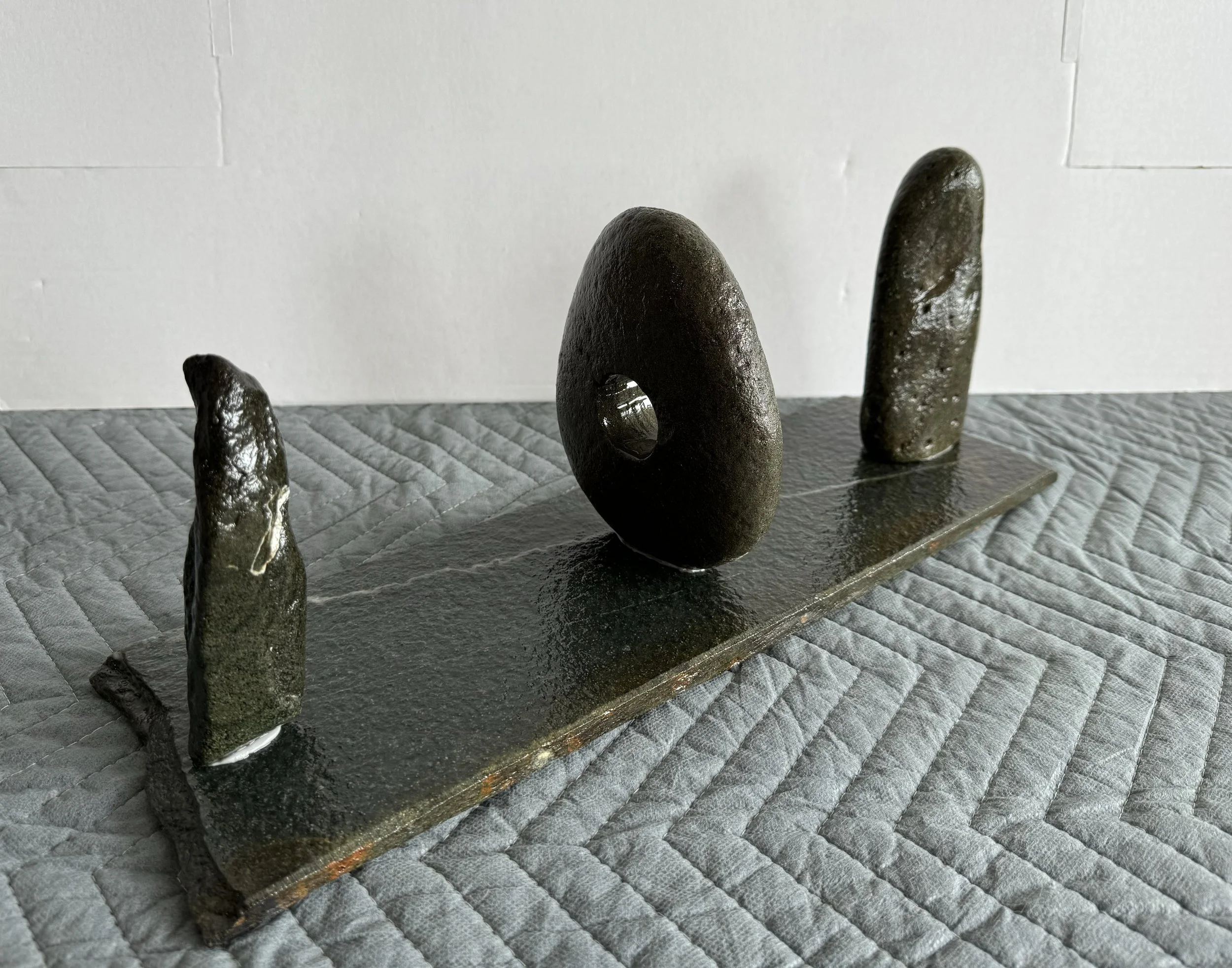
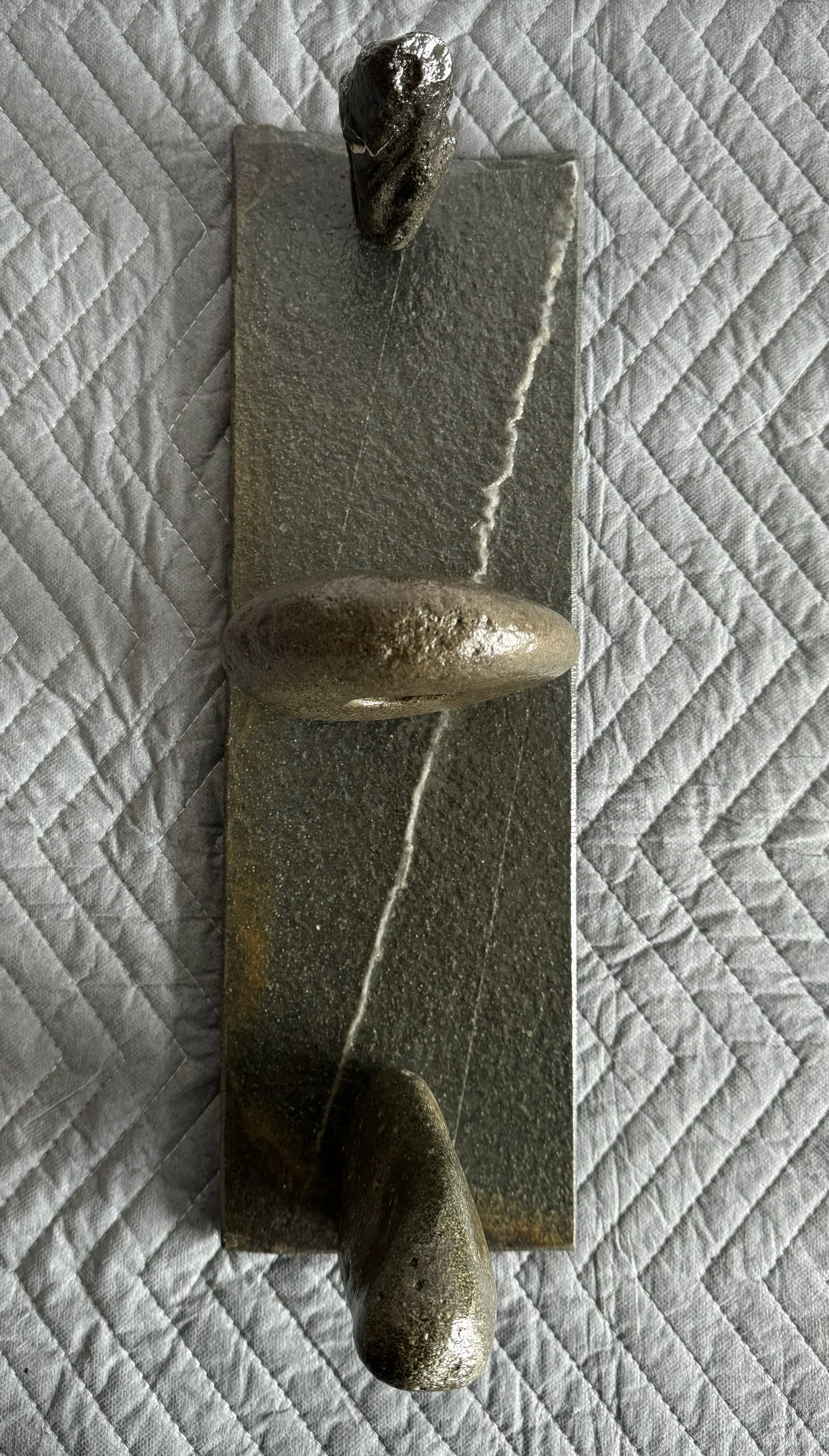
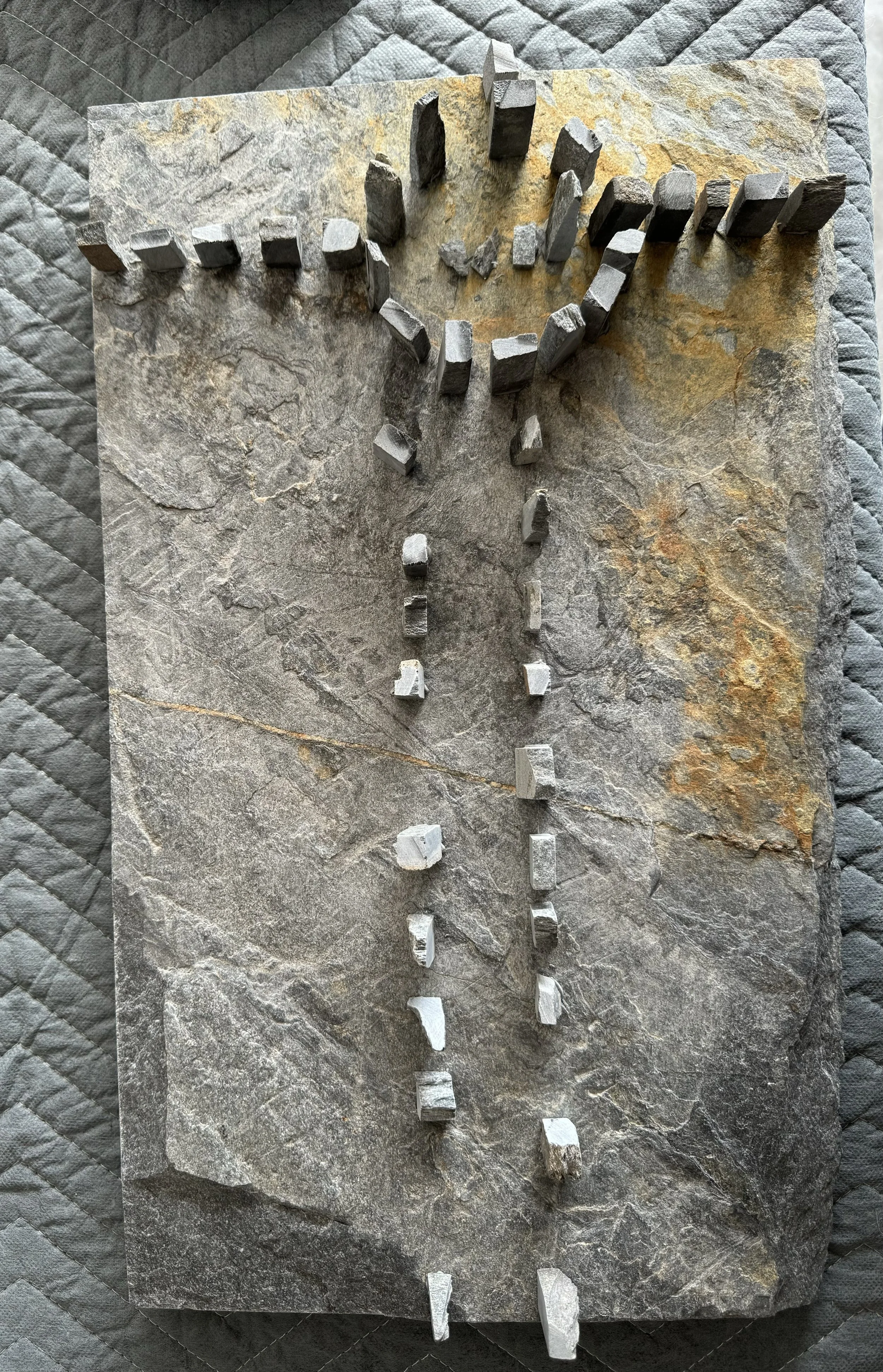
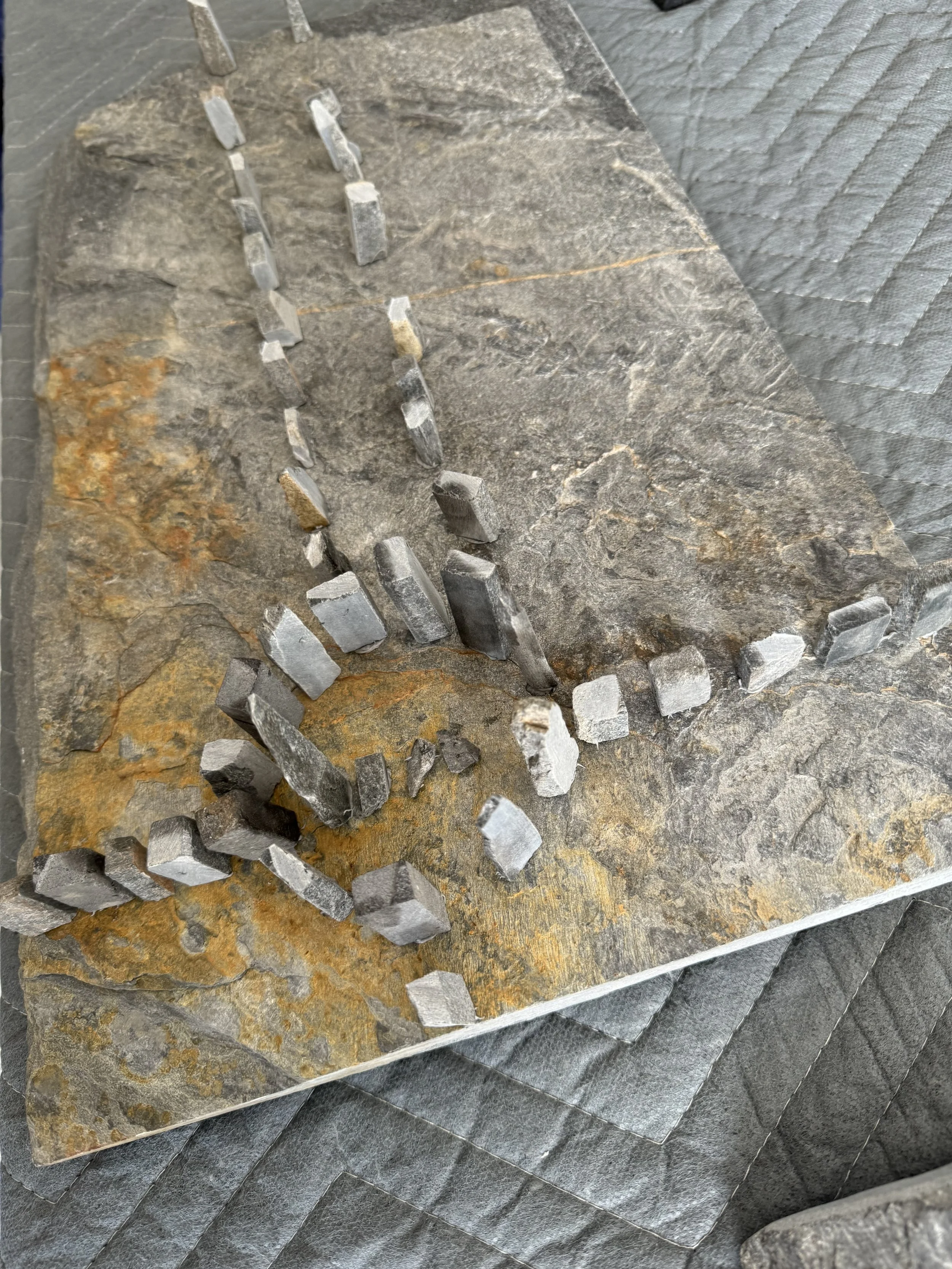
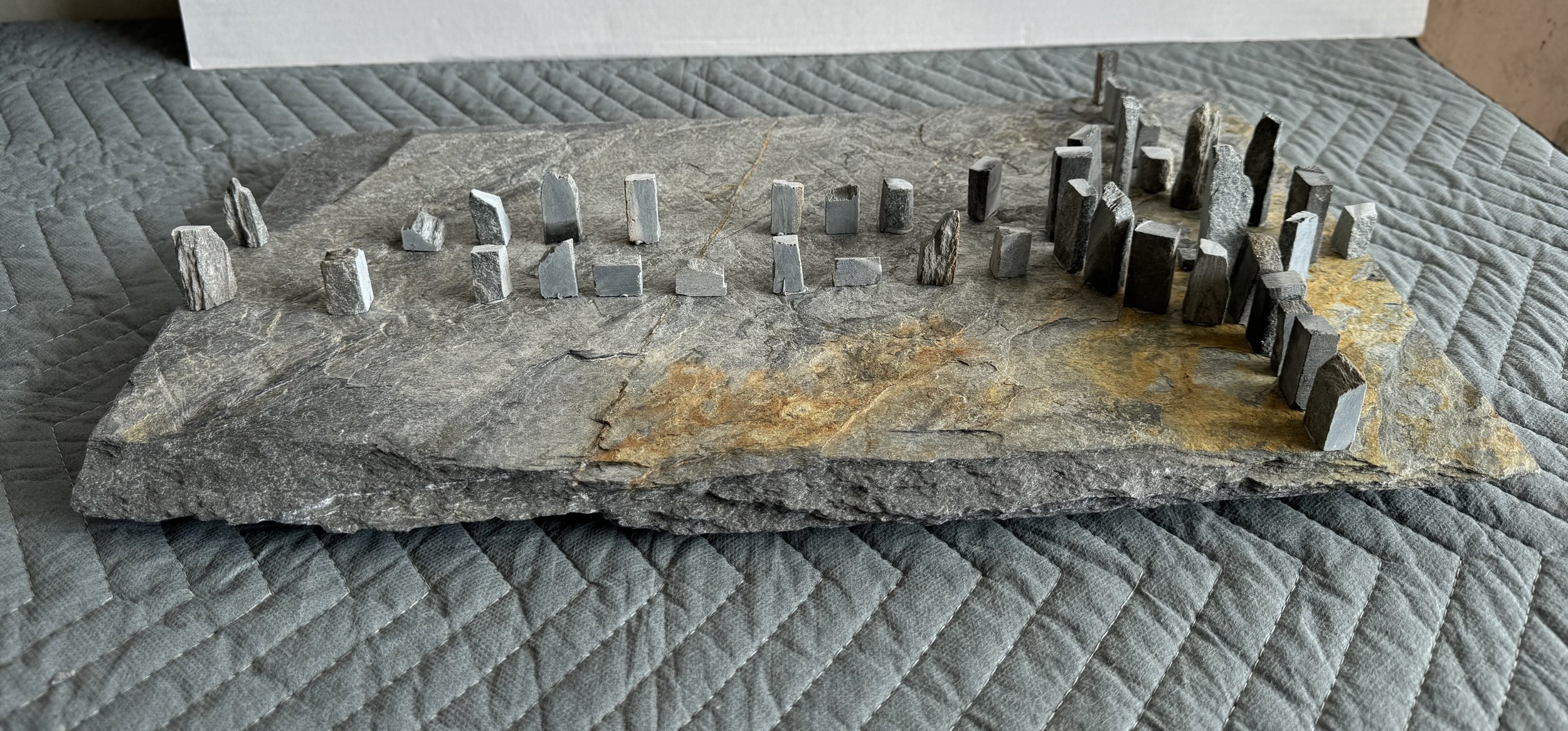
Badekunda Stone Ship (Study)
Granite, slate, and mixed stone
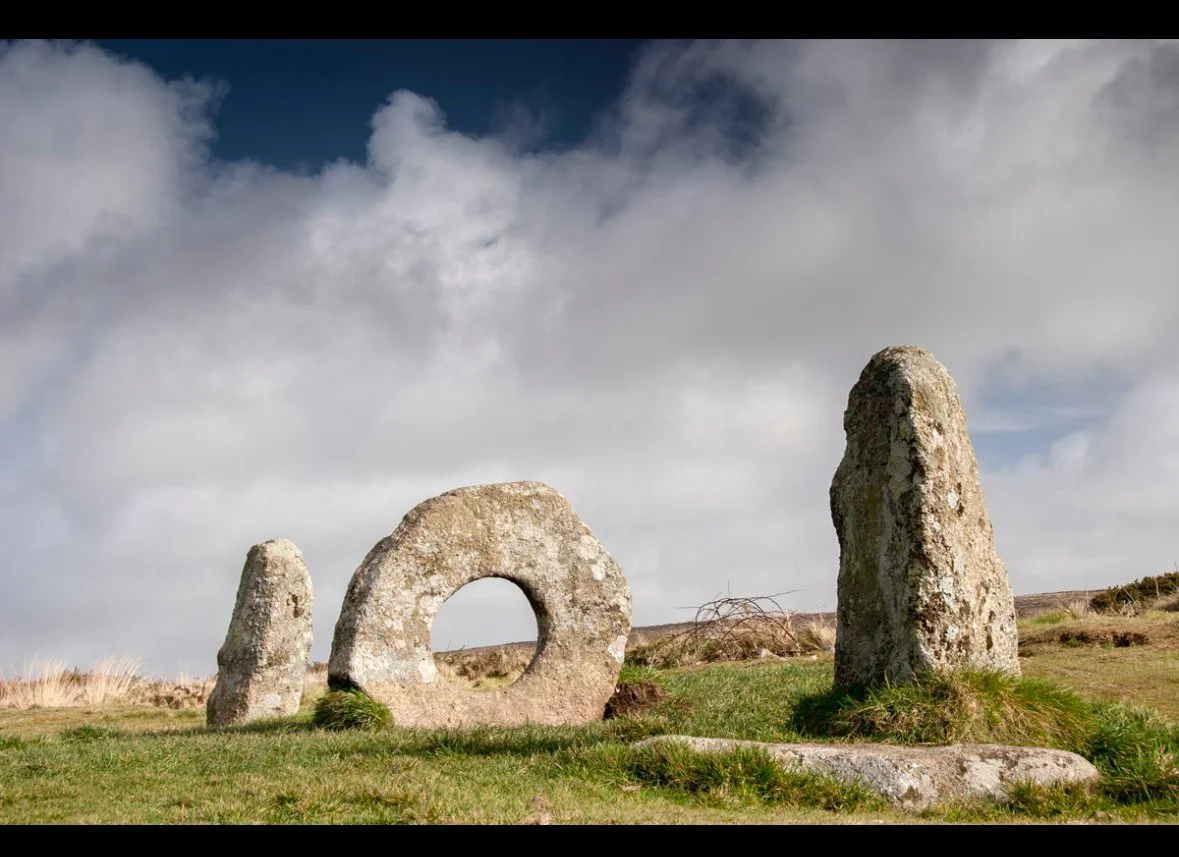
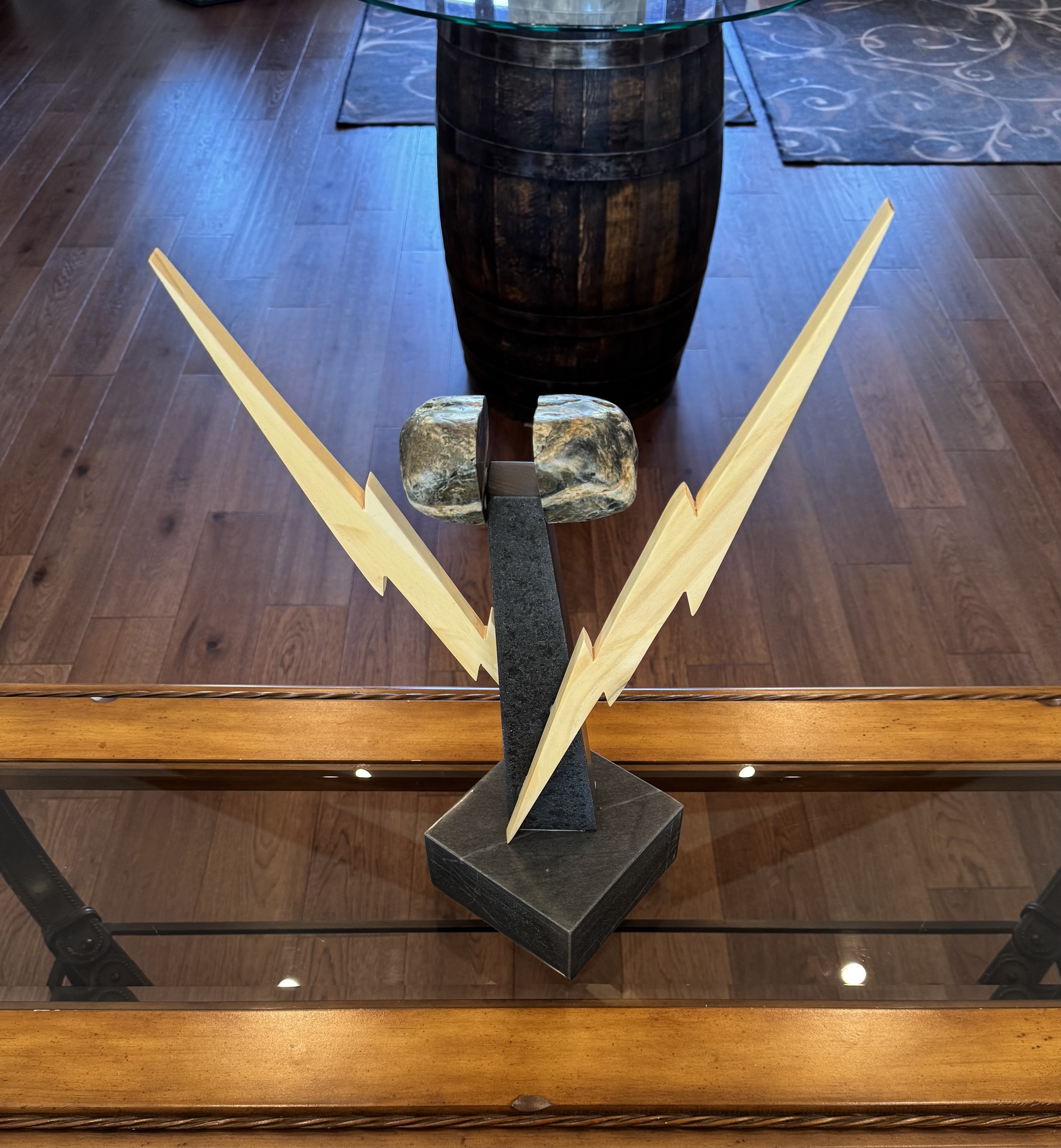
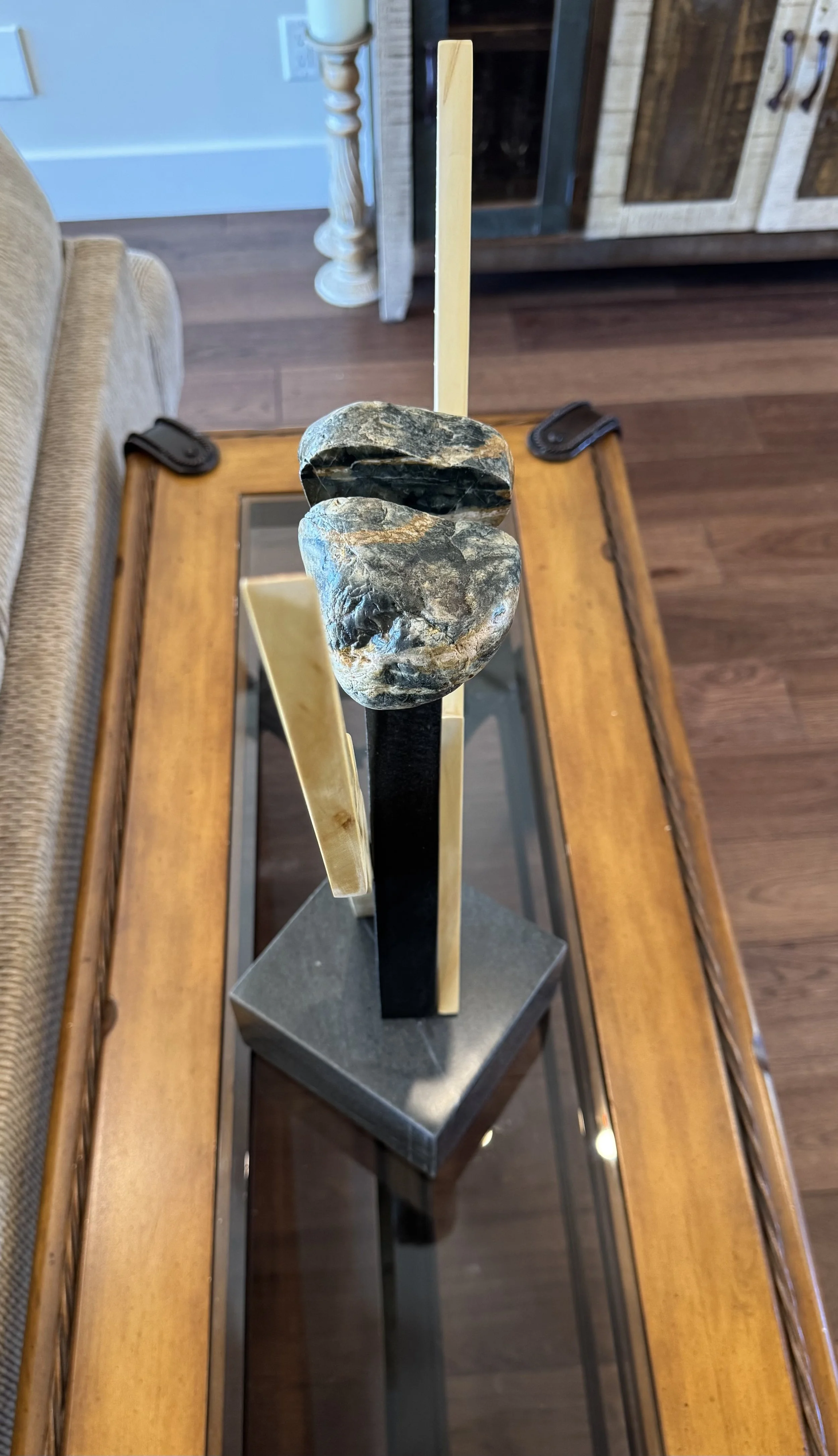
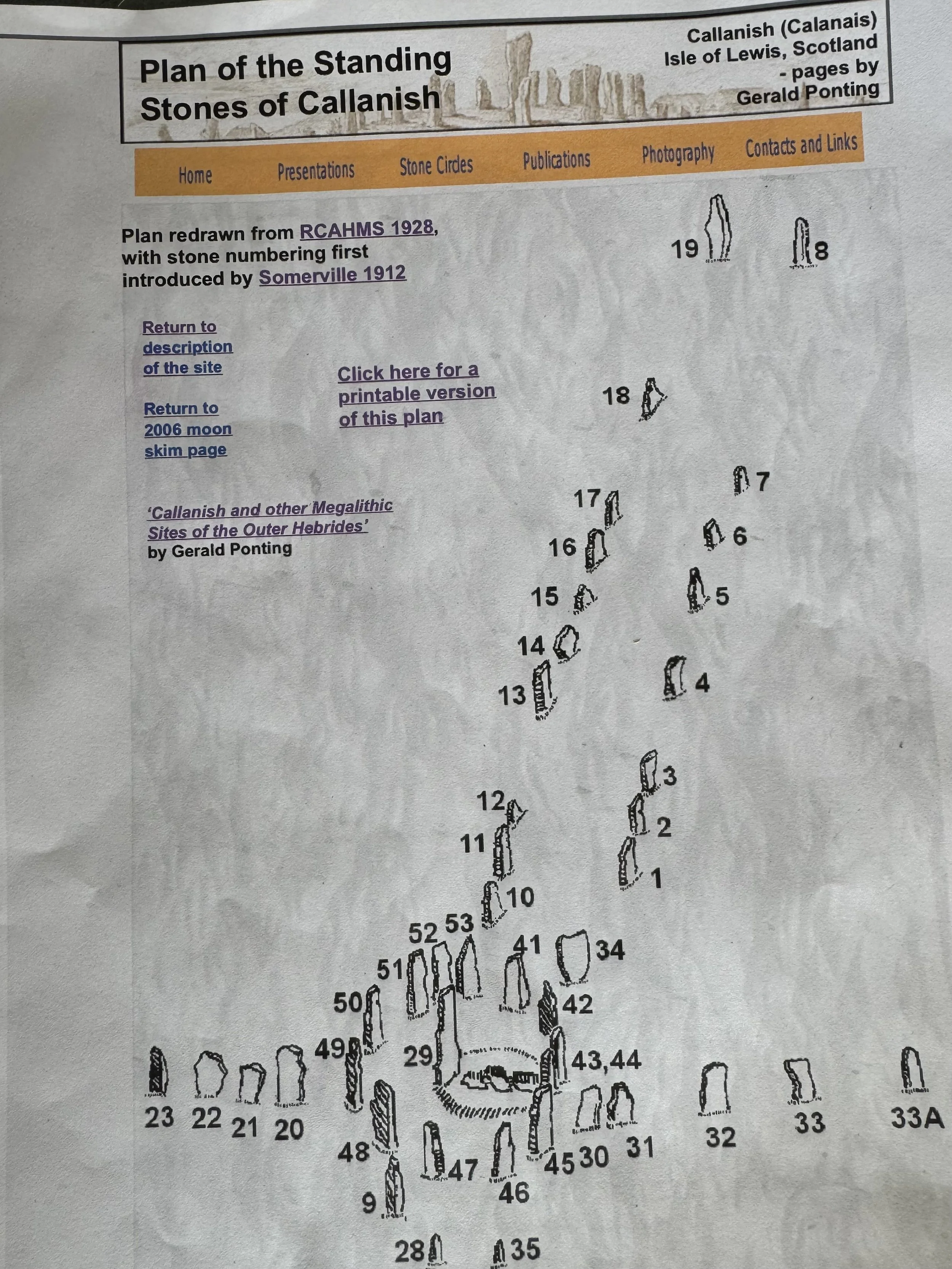
This sculpture is inspired by the ancient stone ship settings of Scandinavia and the Baltic region, an early burial and ritual form dating from approximately 1000 BC to 1000 AD. In these sites, upright stones were erected in the outline of a vessel, marking a symbolic passage rather than a literal journey. Constructed on a BC granite base with slate standing stones, this contemporary interpretation emphasizes negative space, repetition, and orientation—inviting the viewer to move around the work and experience the form as a threshold rather than an object.
Badekunda Stone Ship (Study)
Granite, slate, and mixed stone
This sculpture is inspired by the ancient stone ship settings of Scandinavia and the Baltic region, an early burial and ritual form dating from approximately 1000 BC to 1000 AD. In these sites, upright stones were erected in the outline of a vessel, marking a symbolic passage rather than a literal journey. Constructed on a BC granite base with slate standing stones, this contemporary interpretation emphasizes negative space, repetition, and orientation—inviting the viewer to move around the work and experience the form as a threshold rather than an object.
 Image 1 of 3
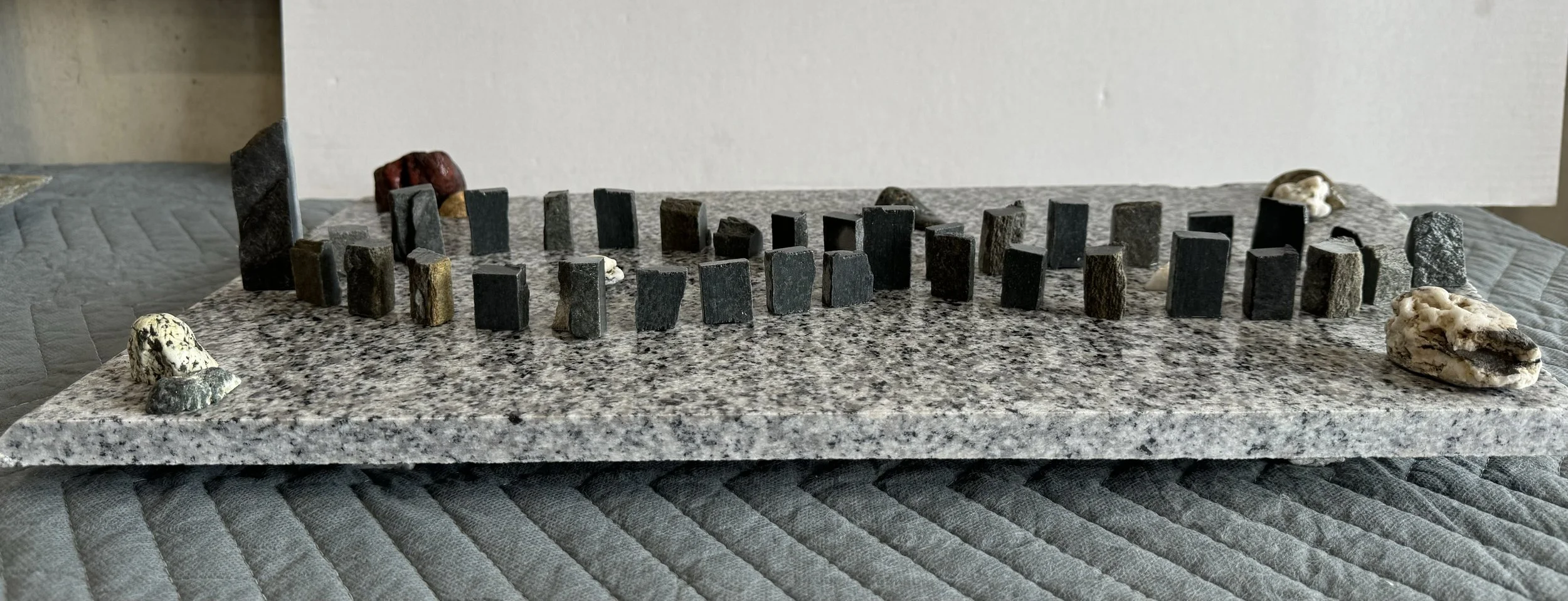 Image 2 of 3
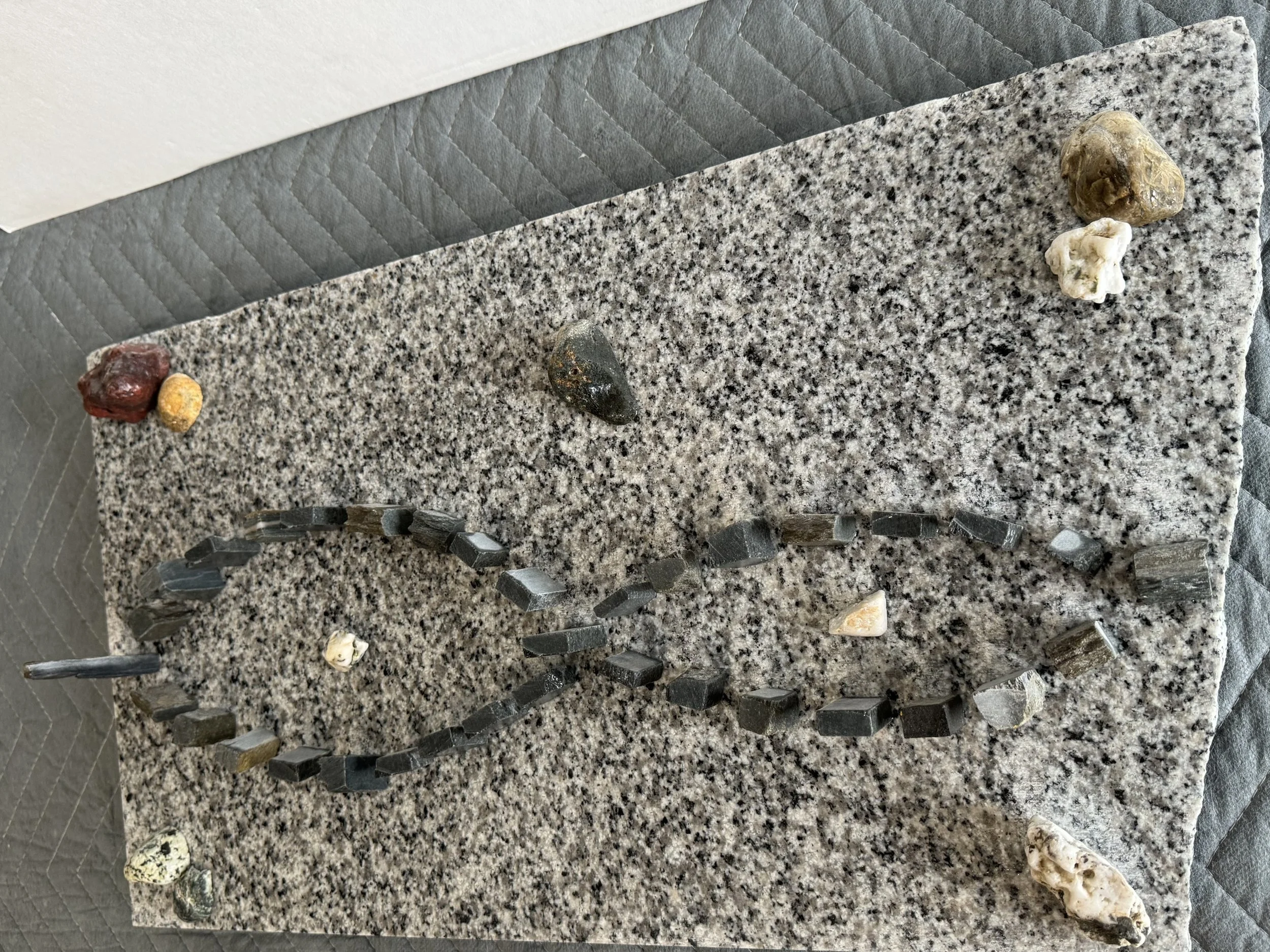 Image 3 of 3